
There are four possible. We can either enable this by using Shadow DOM or event emulate it.

Here Is A List Of Best 10 Angular 4 Loading Spinner Examples If You Re Looking For An Angular 4 Loader Or Spinner Examples Here Is Angular 10 Things Example
As we know Angular Components are made up of three things.

Angular component view encapsulation. Angular comes with view encapsulation built in which enables us to use Shadow DOM or even emulate it. Using the Shadow DOM markup styles and behaviors are scoped to the element and. This defines template and style encapsulation options available for an Angular component.
Scoping Your Styles in Angular With ViewEncapsulation. Import Component from angularcore. Does that style which we created on app component should automatically be applied to the demo components h1 selector.
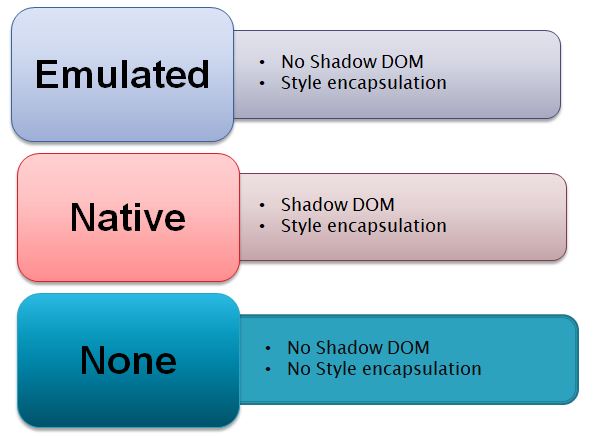
Angular is a platform for building mobile and desktop web applications. ViewEncapsulationNone - No Shadow DOM at all. View Encapsulation Types.
An application framework like Angular allows to create web applications that are made of reusable and independent building blocks components. This will also allow us to debug the mechanism if needed. In Angular component CSS styles are encapsulated into the components view and dont affect the rest of the application.
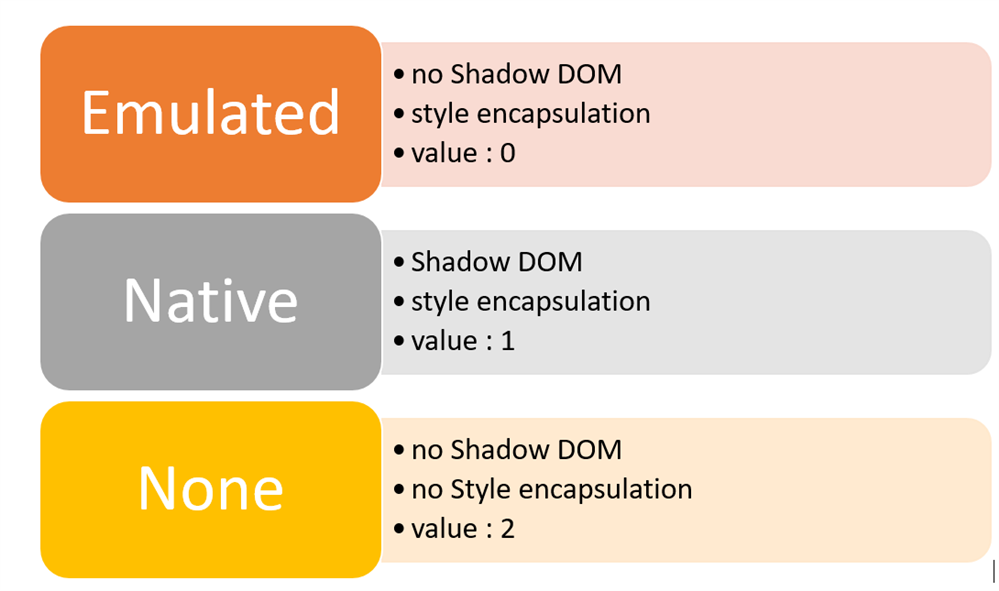
Angular Framework provides the View Encapsulation features by default. There are three members of the Angular view encapsulation. It totally depends upon us how we want to implement View Encapsulation in Angular.
In our Angular app we will have three components. The Default View Encapsulation mode that Angular uses is the Emulated mode. To change the encapsulation mode for a specific component you just add the encapsulation property metadata to the Components.
Styles defined in this components Component decorator are scoped to this component only. View encapsulation defines whether the template and styles defined within the component can affect the whole application or vice versa. Choose from the following modes.
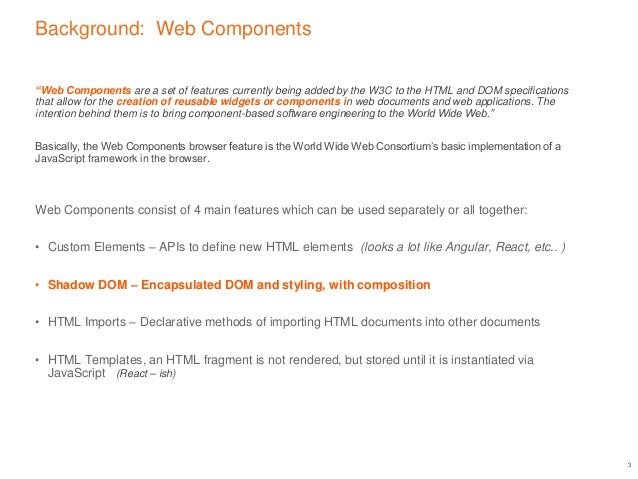
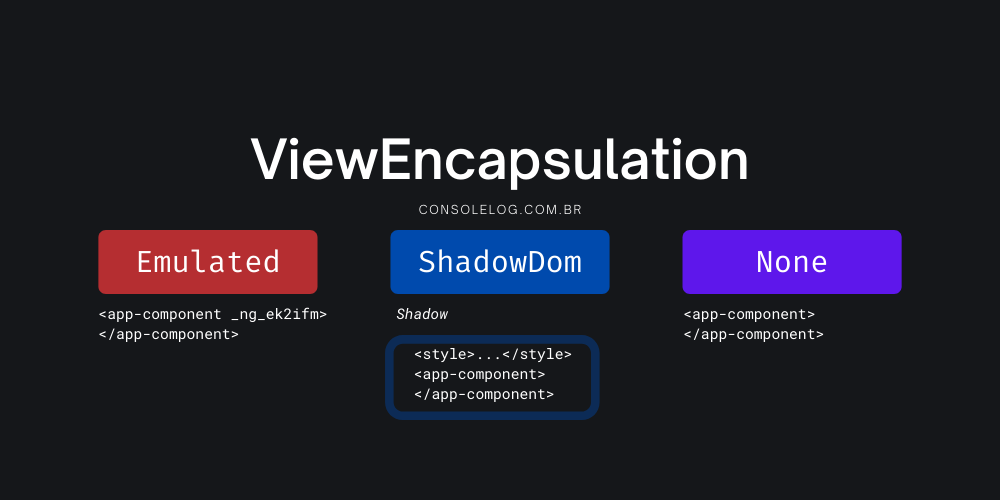
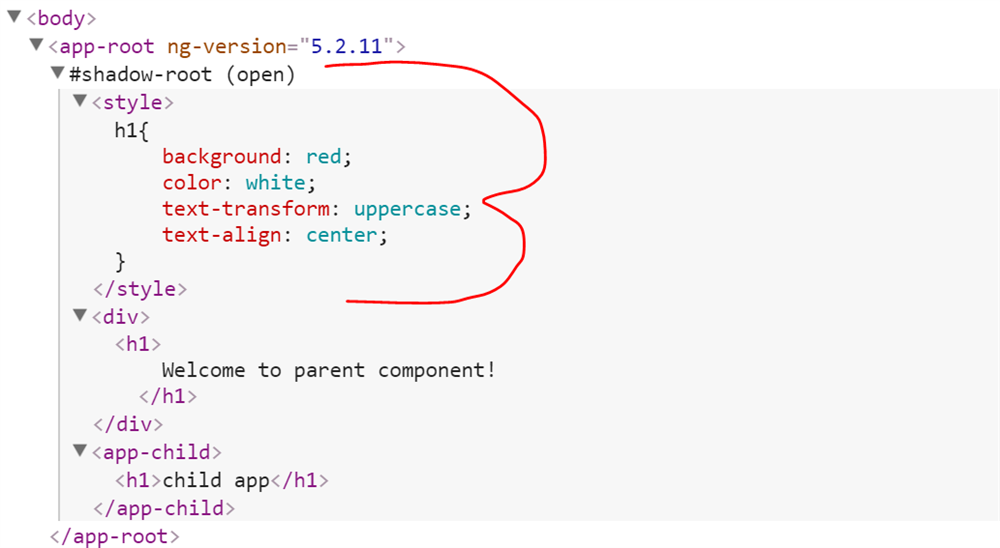
Simply put the Shadow DOM brings Encapsulation to HTML Elements. ViewEncapsulationEmulated - No Shadow DOM but style encapsulation emulation. This way your CSS is strictly bound to your component so it will not affect any other part of your app.
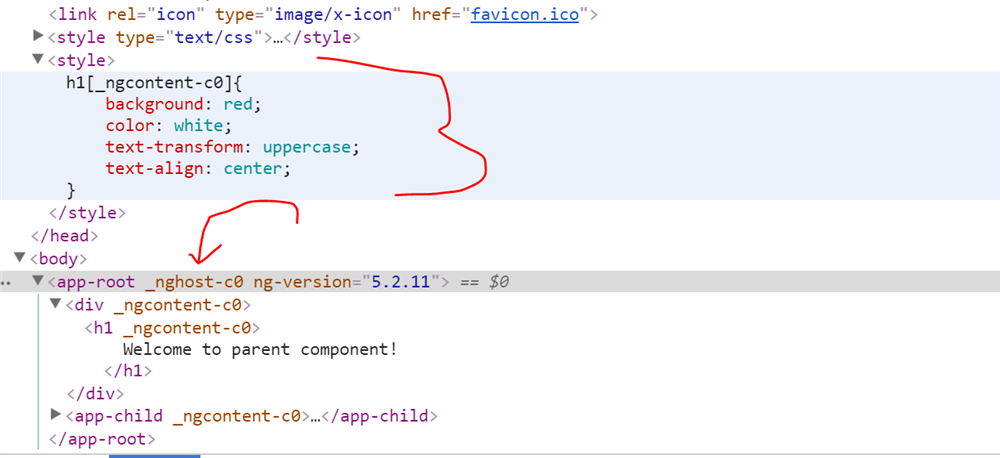
In the ViewEncapsulationEmulated mode Angular changes our generic CSS class selector to one that targets just a single component type by using automatically generated attributes. Emulated default - styles from main HTML propagate to the component. Encapsulation is one of its properties which determines whether Angular will create shadow DOM for component or not.
There are three view encapsulation types. Therefore also no style encapsulation. Angular provides three encapsulation strategies.
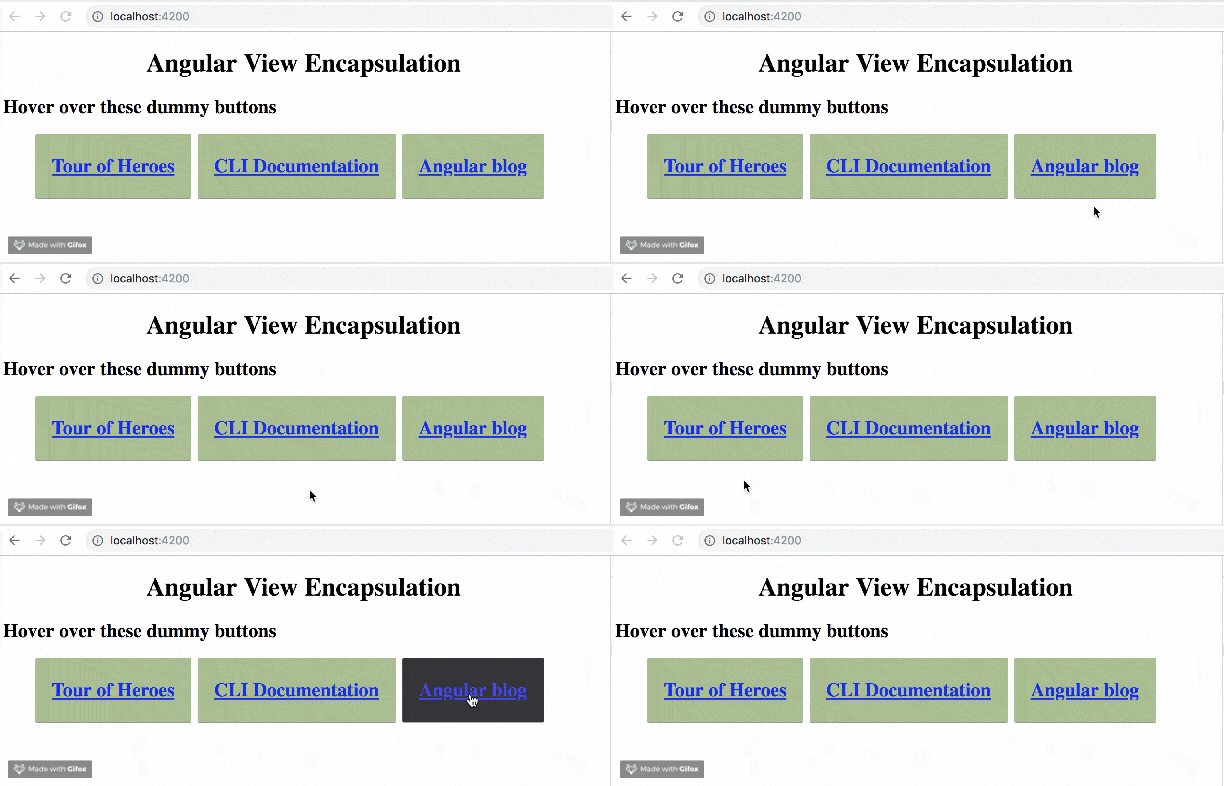
It determines ViewEncapsulation mode of the component. Well the answer is NOActually depends on which ViewEncapsulation Type you are using Angular application by default uses ViewEncapuslation mode to emulate. A Demo of Angular Emulated Encapsulation In this section we will see how Angular component styling works under the hood as this is the best way to understand it.
Angular has three types of View Encapsulation modes. Each and every component can have their own encapsulation mode. We are going to use a demo application to understand the various members of the Angular view encapsulation.
For this to work however we need a way for CSS rules to only apply within a given component. The View Encapsulation in Angular is a strategy which determines how angular hides encapsulates the styles defined in the component from bleeding over to the the other parts of the application. Encapsulation is one of the available properties to use inside an Angular Component decorator as its metadata.
This post we will cover how to use Angular components to encapsulate our CSS and learn the pros and cons to each technique. In Angular component CSS styles are encapsulated into the components view and dont affect the rest of the application. The following three strategies provided by the Angular to determine how styles are applied.
Angular View Encapsulation brings us all of these advantages so lets learn how it works. If you do ViewEncapsulationNONE attribute selector wont be added CSS will be global and will affect every other part of the app. First is our App component it will have two child components FirstComponent and SecondComponent.
This is the reason that only the JokeFormComponent is gray despite the fact that we use the same card class for all the other JokeComponents as well. To control how this encapsulation happens on a per component basis you can set the view encapsulation mode in the component metadata. For the DOM this means using modern Shadow DOM and creating a ShadowRoot for Components Host Element.
Angular View Encapsulation
View Encapsulation Angular 2
Angular 7 Encapsulation
Understanding Angular View Encapsulation

Angular With Nodejs The Mean Stack Training Guide Learn To Code Udemy Coupon Teaching Style
What Is Viewencapsulation In Angular Dzone Web Dev
What Is Viewencapsulation In Angular Dzone Web Dev

Pin On Flat Illustration
What Is Viewencapsulation In Angular Dzone Web Dev

What Is Viewencapsulation In Angular By Vibha Sharma Medium

Understanding Angular View Encapsulation
Angular Creating Component With Cli Gives Encapsulation Viewencapsulation None Stack Overflow

Pin On Angular 4 Tuts

What Is Viewencapsulation In Angular By Vibha Sharma Medium

Viewencapsulation In Angular Hello Readers By Jinal Shah Medium

Pin On Angular Js Vs Reactjs
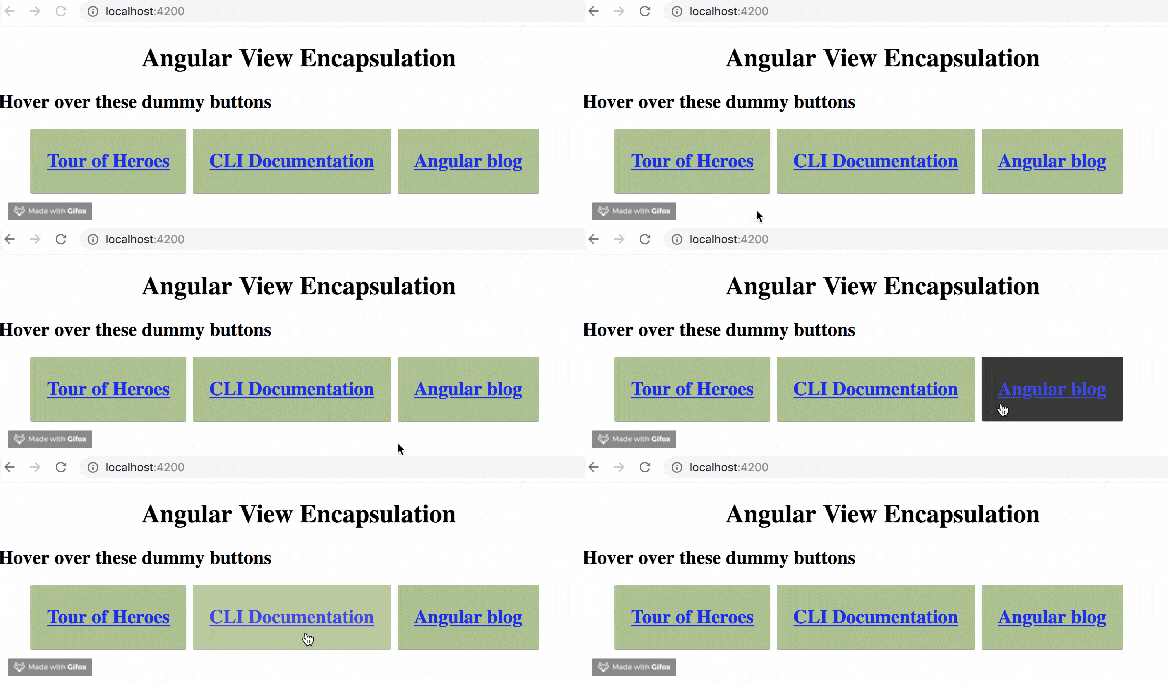
Understanding Angular View Encapsulation

Usevalue Provider Configures The Injector To Return A Value For A Token It Comes In That Categor Dependency Injection Full Stack Developer How Are You Feeling
View Encapsulation In Angular 4 Types Examples In Javascript Application By Maria Desilva Medium


0 Comments