
If the parent component is removed while the ngIf expression is true the parent and child will be destroyed together. Represents an instance of a Component created via a ComponentFactory.

Working With Dom In Angular Unexpected Consequences And Optimization Techniques Angular Indepth
It would be nice if we could tell angular not to destroy components when we navigate out of them even if the next component is of a different type.
Angular component destroy. All components remain in DOM when calling NgModuleRefdestroyif Ivy is enabled but actually all ngOnDestroyhooks are invoked event listeners are removed basically all cleanups are done except removing nodes from DOM. After calling destroy the app goes away and the app-root node is removed from the dom. But if Ivy is disabled view engine is.
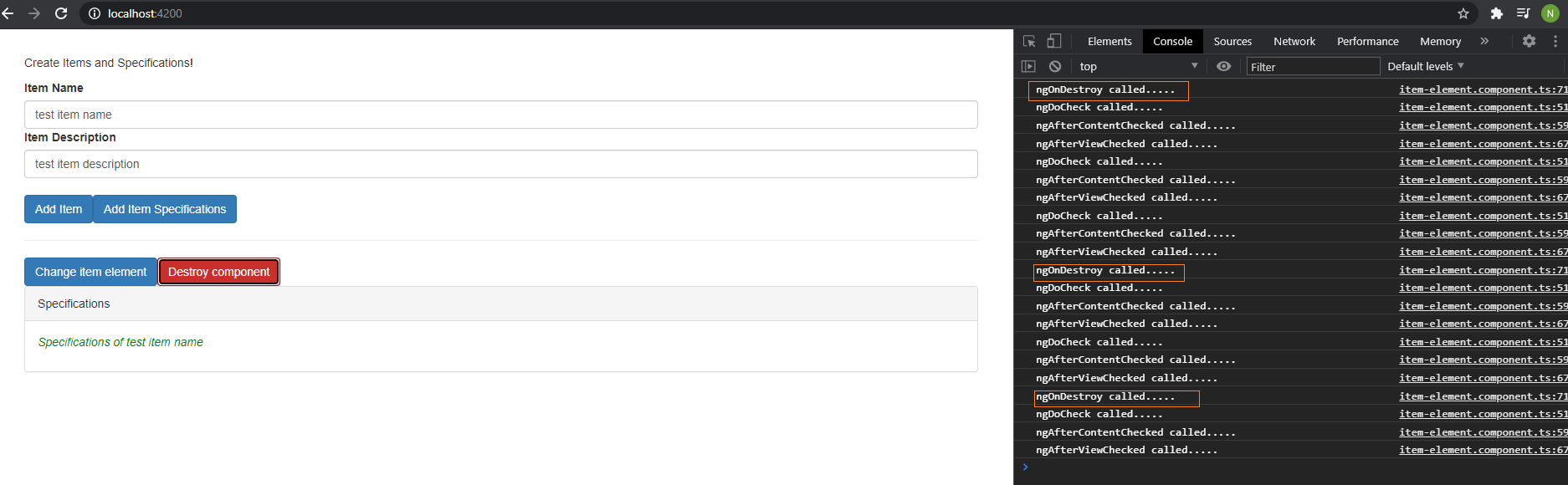
Provides access to the component instance and related objects and provides the means of destroying the instance. NgOnDestroy is called just before componentdirective is about to be destroyed by Angular. After the component is removed from the DOM ngDestroy is called and then the component is free to get garbage collected.
Use for any custom cleanup that needs to occur when the instance is destroyed. Angular Services also have an ngOnDestroy method just like Angular components. ComponentInstance will be the component you want to create dynamic and viewContainer will hold viewContainerRef instace allow you to clear the view and inject the component into ng-content tag.
When we create a component in Angular there are multiple ways we consume such an observable and hence we need to be mindful of how we dispose of these observables when the component goes out of scopeview. Each time you create a new instance of the component it is given an incremented id. A lifecycle hook that is called when a directive pipe or service is destroyed.
This is the correct place where you would like to Unsubscribe Observables and detach event handlers to avoid memory leaks. NgOnDestroy Usage notes. If you run that application using ng serve and click the destroy button it will call destroy on both the platform returned from platformBrowserDynamic and destroy on the NgModuleRef that which the bootstrap promise resolves with.
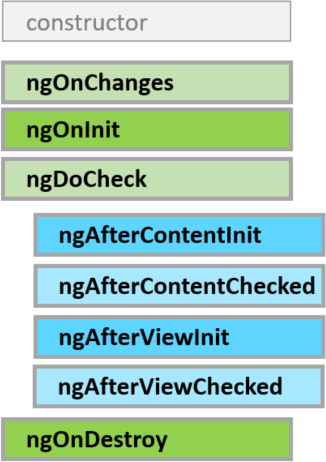
The lifecycle ends when Angular destroys the component instance and removes its rendered template from the DOM. Components should be destroyed by the angular router whether they throw an error or not. Represents a component created by a ComponentFactory.
ComponentRefprovides access to the Component Instance as well other objects related to this Component Instance and allows you to destroy the Component Instance via the destroymethod. Angular provides the ngOnDestroy lifecycle hook in addition to the async pipe which you can use to accomplish exactly these types of tasks. The createComponent simply take 2 params.
The ComponentRef instance allow you to destroy the dyanamic component. This lifecycle can be helpful when we create and destroy services that need to run some cleanup work when the component is destroyed. In each component there is an interval which console logs the components id.
Minimal reproduction of the problem with instructions Link to Reproduce here Notice error on Developer console on Login Component. Directives have a similar lifecycle as Angular creates updates and destroys instances in the course of execution. The ngOnDestroy or OnDestroy hook is called just before the ComponentDirective instance is destroyed by Angular Use this hook to Perform any cleanup logic for the Component.
This could be useful for example when building a window management system where users can navigate through different windows components without the need for recovering the whole state. Interface OnDestroy ngOnDestroy. It is called for cleanup logic when a component directive pipe or service is destroyed.
I did not unsubscribe from it on destroy. I have this example stackblitz where I set an id for a component which you can create and destroy via a checkbox. It can be used for following purposes.
When an Angular component is destroyed the ngOnDestroy life cycle method is called so we can clean up long-running tasks or unsubscribe from any RxJS Observables.
The Best Way To Unsubscribe From Angular Observables Matt Spaulding Web Developer From Tampa Bay
Angular 8 Lifecycle Hooks Template Reference Variables And Carousel Keep Going

Ngondestroy Example Angular Sneppets
Angular 8 Lifecycle Hooks Template Reference Variables And Carousel Keep Going


Blocktris Complete Unity Game Admob Unity Games Game Bundle The Game Is Over

Pin On Angular 4 Tuts

Ionic Page Life Cycle Ionic Documentation

Intro To Angular Part 1 Dev Community

Force Component Destroy By Using Page Life Cycle In Nativescript Angular Nativescripting
Lifecycle Hooks Ts Guide

Angular Ngondestroy Stack Overflow

Building And Consuming Angular Elements As Web Components Angular Indepth

Angular The Viewmodel Of A Component As An Observable Angular Indepth
The Best Way To Unsubscribe From Angular Observables Matt Spaulding Web Developer From Tampa Bay
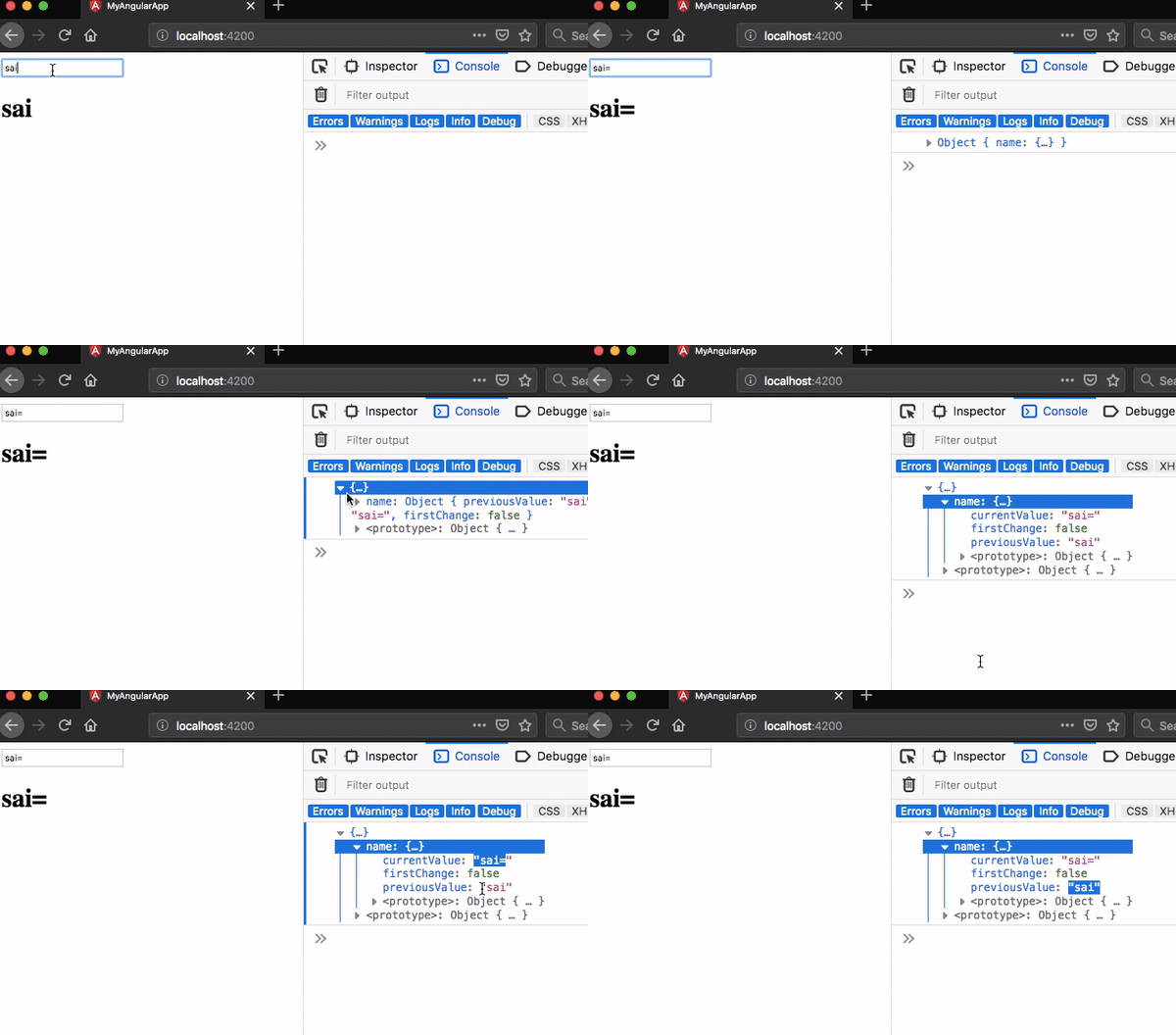
Angular Lifecycle Hooks Tutorial Reactgo
Refresh Angular Component Without Reload Or Navigation On Another Component Geek Culture
Angular 11 Datatables Integration Tutorial
Github Angular Extensions Lint Rules Tslint Rules Useful For Angular Projects
Creating Reusable Angular Components


0 Comments